
Anti-glare film for DFW
Glare Reduction Window Film in Dallas-Fort Worth
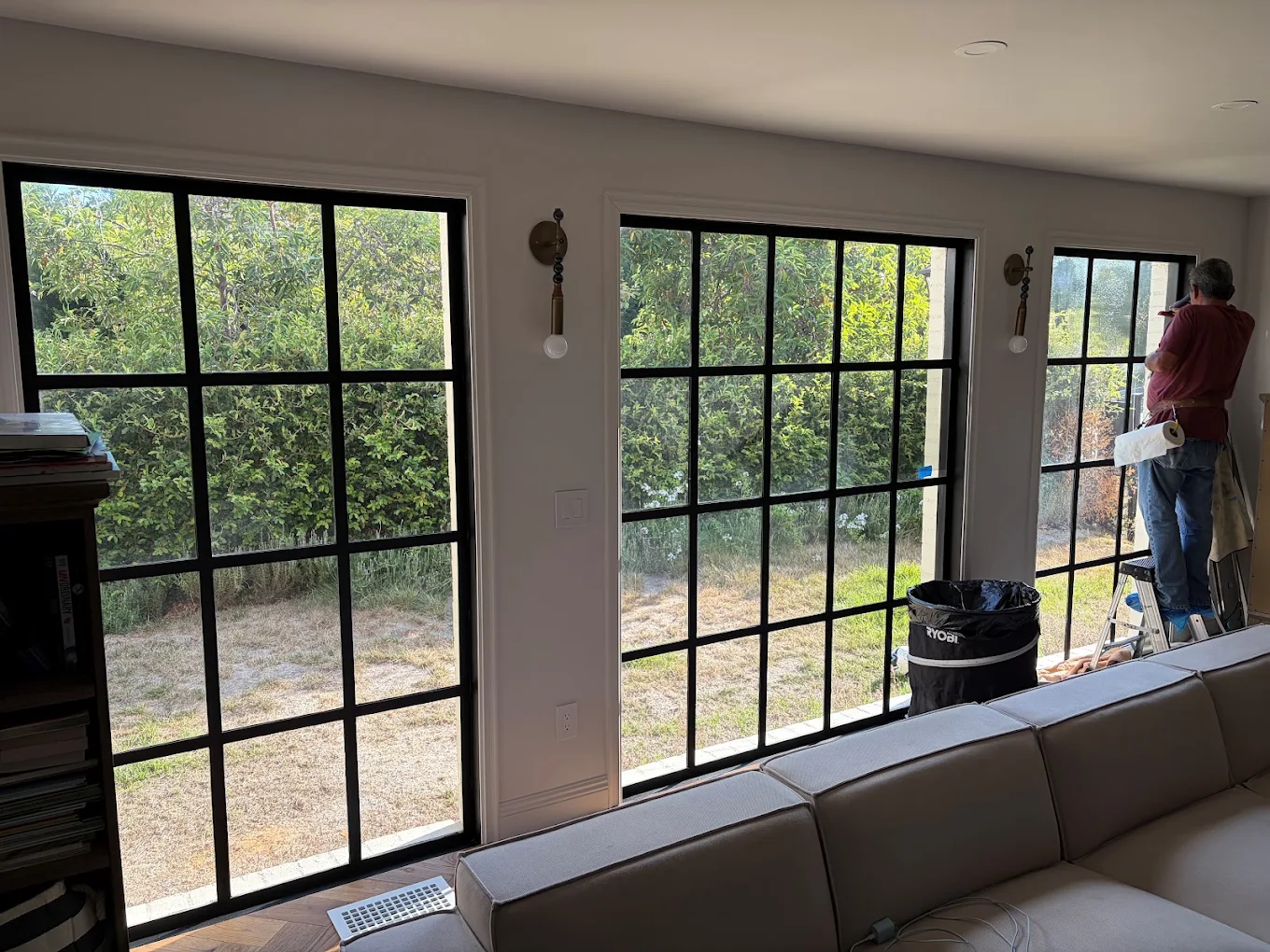
In a lot of DFW homes, the problem window is not hot so much as blinding. Late-day sun comes in nearly flat, bounces off the floor and kitchen counters, and turns the TV into a mirror. Glare reduction film cuts that harsh light down to something you can live with.
 Dallas-Fort Worth
Why Evening Glare Is So Strong in DFW Homes
North Texas is flat, and that matters for glare. With few hills and, in newer subdivisions, few mature trees, nothing blocks the sun as it drops toward the horizon. On summer evenings it sets in the northwest, so west and northwest windows get direct, low-angle light for hours. In winter it sets further south and hits south and southwest glass instead.
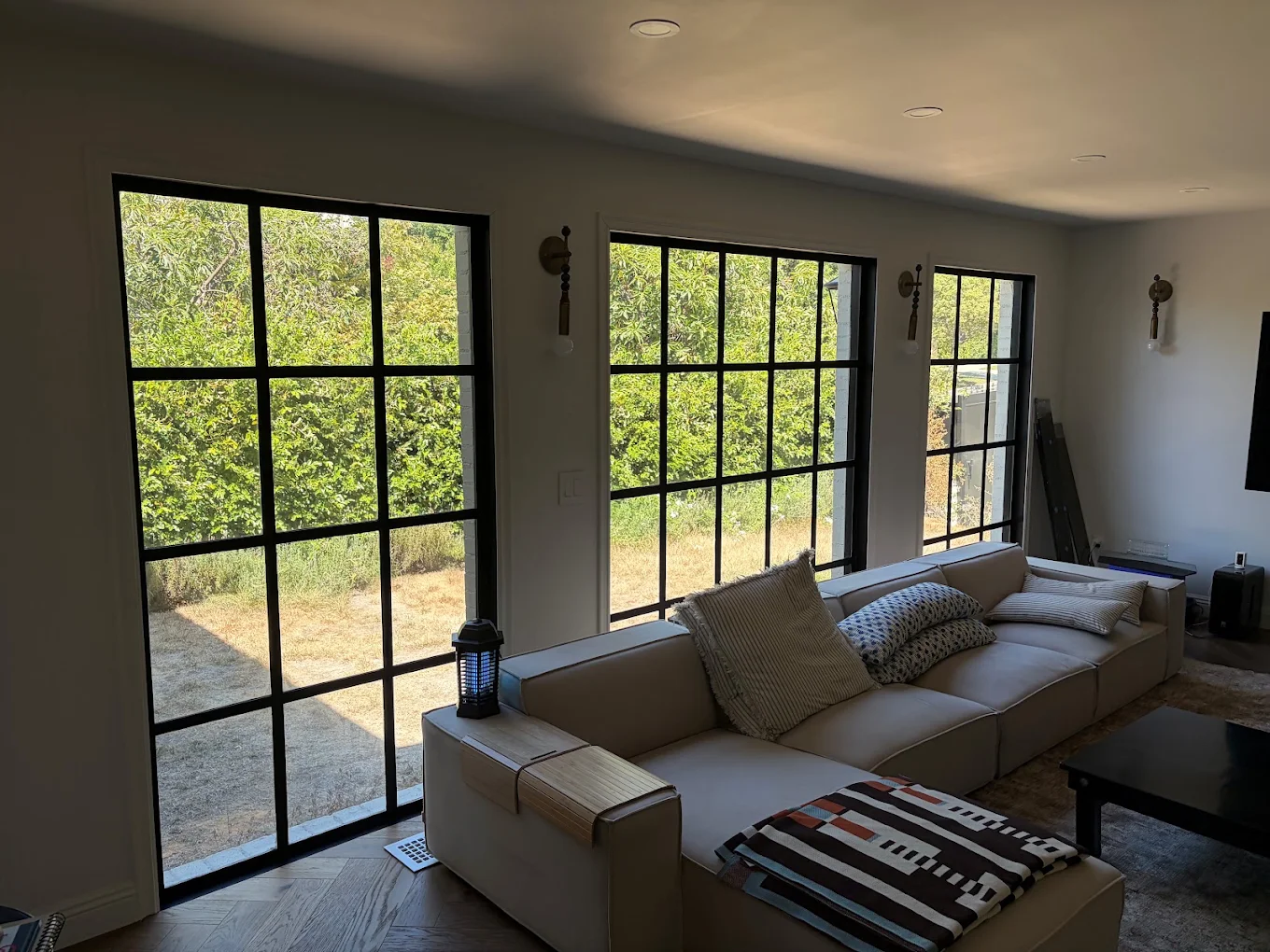
Open floor plans make it worse. A single west-facing wall of glass in a living room can wash out the TV, put a hot white stripe across the kitchen island and blind whoever is sitting at the breakfast table. People close the blinds, and then the room feels dark at noon and cramped by evening. Film lets the blinds stay open.
How Glare Reduction Window Film Works
Glare is about visible light, not heat. Glare reduction films lower the amount of visible light passing through the glass, measured as visible light transmission. A film that passes about half the visible light takes off the harsh edge; darker films cut more. The trade-off is that the room is a bit dimmer all day, including on cloudy days and in the morning.
Neutral gray and light bronze tints are the usual choices because they reduce brightness without making the view look strongly colored. Light reflective films reduce glare and heat together. We bring several shades and hold them up at the time of day the glare is worst, which is the only reliable way to choose.
Tinted film also changes how the window looks from outside. Gray and bronze films read as slightly darker glass from the street, which is rarely an HOA concern unless the film is also reflective. If the glare window faces the front of the house, a light neutral film is the safest choice in a community with strict architectural rules.
Glare Film for Home Offices and TV Rooms in Dallas-Fort Worth
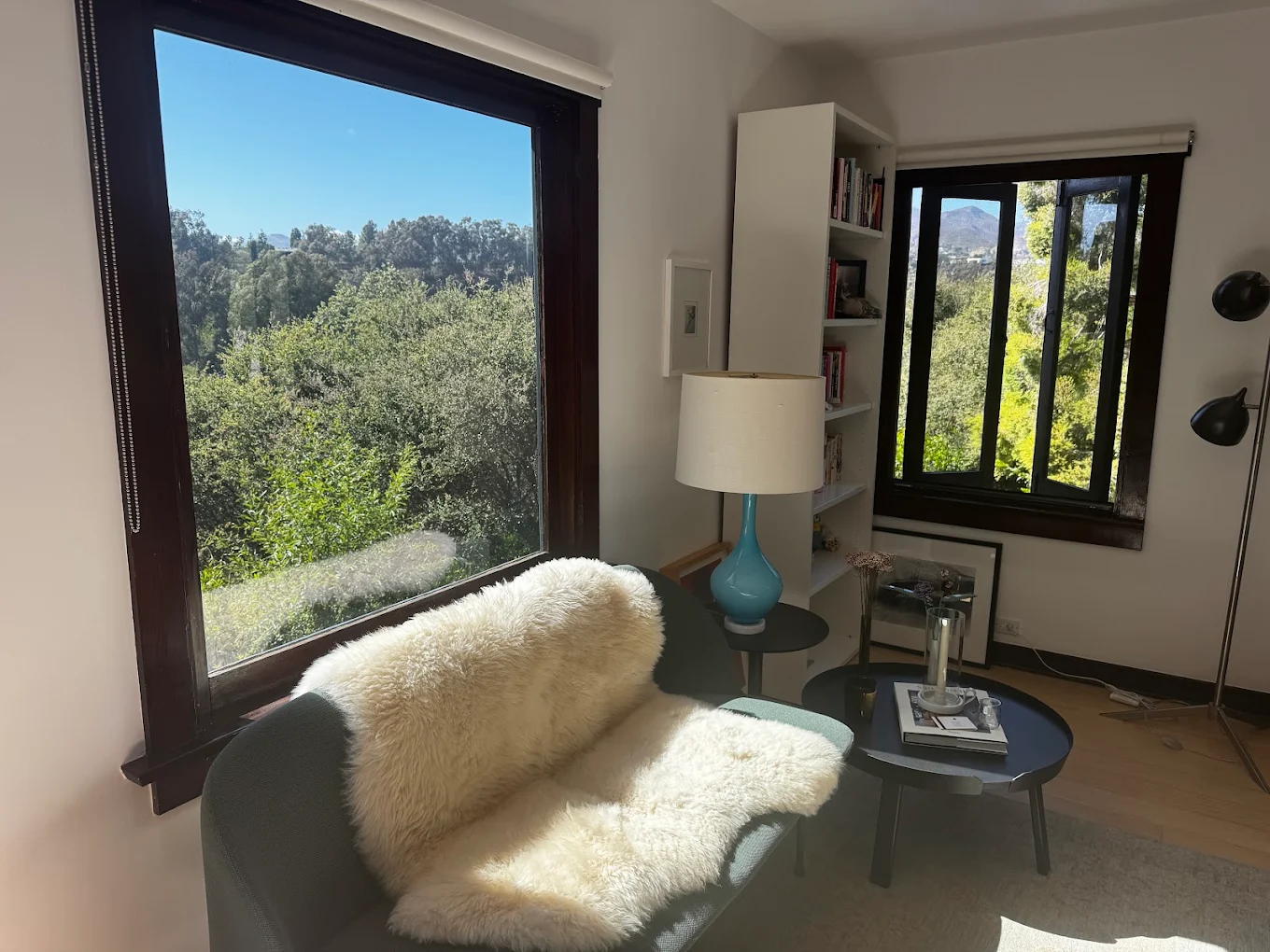
Since remote and hybrid work became common, many DFW homeowners have turned a spare bedroom or loft into an office, often without thinking about which way the window faces. A west-facing desk window makes afternoon video calls hard, with a silhouetted face and a washed-out monitor. A light glare film fixes that without blocking the view out.
Media rooms and game rooms are the other big request. These rooms are often upstairs with west or south windows, and families want them usable on summer evenings. A darker film there makes sense, since daylight matters less in a room used mainly for screens.
Glare Reduction Window Film on Pools, Lakes and Water Views
Homes backing onto a pool, a pond or one of the area lakes like Lewisville Lake, Grapevine Lake or Lake Ray Hubbard get reflected glare as well as direct sun. Light bouncing off the water comes in at odd angles and can light up a ceiling or wall even when the sun is not shining directly into the room.
Glare film helps with both direct and reflected light. For water views people usually want to keep the view as clear as possible, so a light neutral or spectrally selective film is a good starting point. Stronger options are available for rooms where the glare is truly hard to sit through.
What DFW Homeowners Get From Glare Reduction Film
Readable TV and Computer Screens in DFW Homes
Cutting visible light at the glass keeps screens from washing out during the worst hours, so you are not tilting monitors or pulling blinds every evening in a west-facing den or home office.
Glare Film Lets You Keep the Blinds Open
With the harsh edge taken off, you can leave blinds and shades open and keep the view. Rooms feel bigger and brighter overall than when the blinds stay shut through the afternoon.
Less Eye Strain Near Sunny Windows
Squinting through the last hours of daylight while cooking, reading or working is tiring. A modest drop in brightness at the glass makes those rooms easier to spend time in on long summer evenings.
Glare Reduction Film Adds Heat and UV Control
Nearly every glare film also takes some heat out of the sunlight and stops almost all UV. So the shade you pick to rescue the TV also keeps the room a few degrees calmer and slows fading on the sofa and floor.
Glare Reduction Window Film Questions in Dallas-Fort Worth
Will glare film make my room too dark?
It depends on the shade. Light films take off the harsh edge with only a small drop in brightness. We test samples at the time of day the glare is worst so you can judge before choosing.
Can glare reduction film help with TV glare at night?
Window film addresses sunlight. At night, reflections on a TV come from lamps and fixtures inside the room, so film will not change those.
Is glare film the same as heat control film?
They overlap but are not the same. Glare film reduces visible light, while heat film targets total solar energy. Many products do some of both.
Which windows cause the most glare in a DFW house?
Usually west and northwest windows in summer, and south and southwest windows in winter when the sun sits lower. Windows facing water or bright pavement add reflected glare.
Glare Reduction Window Film Service Areas in Dallas-Fort Worth
Window film quote
Glare Reduction Film Pricing for DFW Rooms
Tell us which room has the glare, what time it gets bad and what you use the room for. A photo of the window at that time helps us suggest the right shade.
Prefer email? info@windowfilmdfw.pro