
DFW heat rejection film
Heat Control Window Film in Dallas-Fort Worth
When a North Texas afternoon hits 104 and the sun is pouring through a wall of west glass, the AC can only do so much. Heat control film turns much of that energy back at the glass, before it becomes heat inside the room.
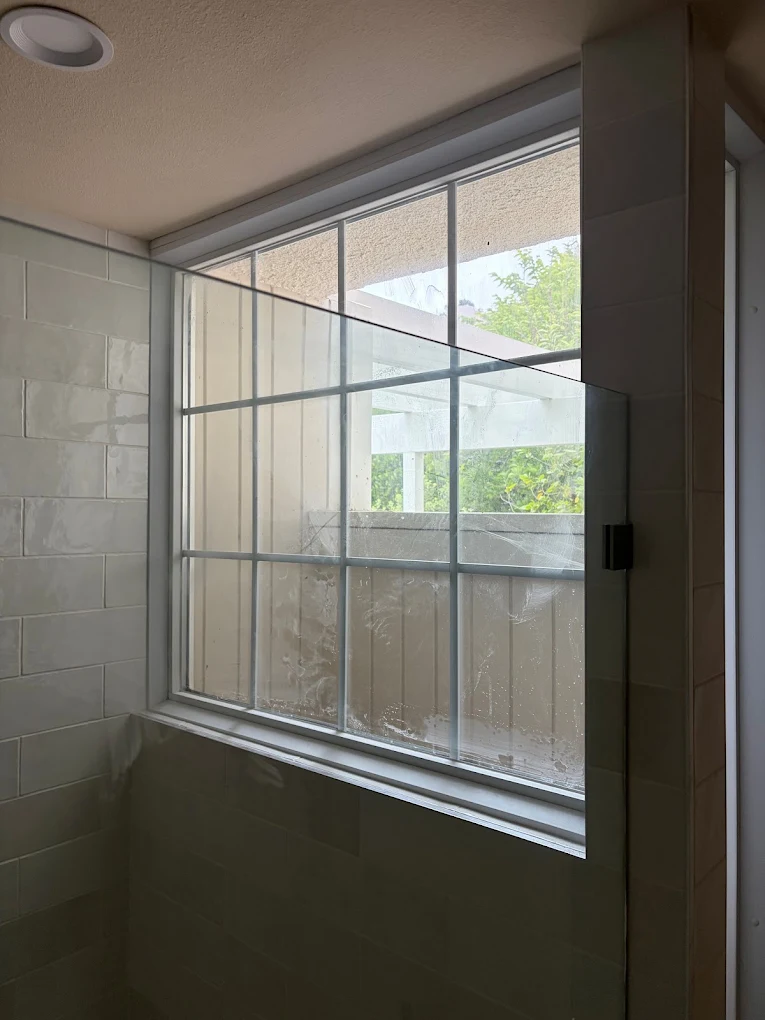 Dallas-Fort Worth
Where DFW Homes Gain the Most Solar Heat
Three spots come up again and again on DFW service calls. The first is the upstairs game room or media room built over the garage, often with west windows and a long attic run that makes the AC work hardest exactly there. The second is the two-story family room with a stack of tall windows and arched transoms that no blind can reach. The third is the sunroom or breakfast nook added onto a ranch house, with glass on three sides.
All three share a problem: lots of glass taking direct sun during the hottest hours, with no shade from trees or eaves. In newer subdivisions in Prosper, Frisco and Mansfield, young trees will not shade a second story for years. That leaves the window itself as the best place to stop the heat.
Reflective Versus Spectrally Selective Heat Control Film
Solar energy arrives at the window as ultraviolet, visible light and infrared. Infrared carries much of the warmth you feel on your arm next to a sunny pane. The thin metal or ceramic layers inside a heat film bounce back part of that energy and absorb part of it, then shed the absorbed portion outward. On the data sheet, look for total solar energy rejected, or the solar heat gain coefficient of film and glass combined.
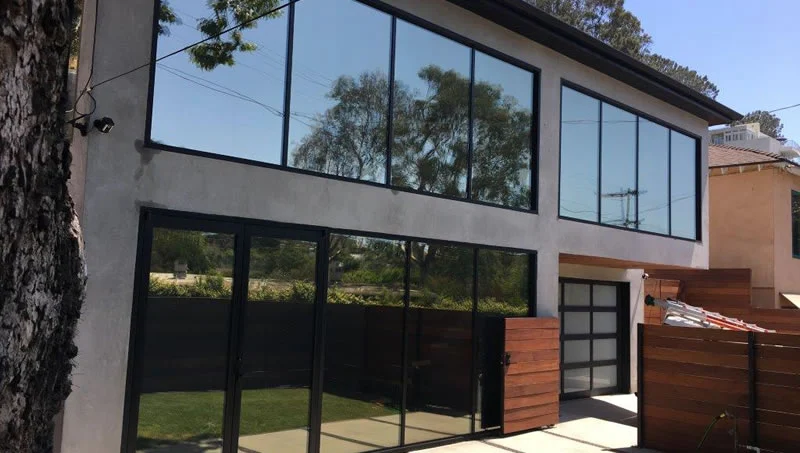
Products fall into two camps. Reflective films give the biggest heat cut per dollar but read as mirrored from the yard in daylight. Spectrally selective films go after infrared and let most visible light through, so they look close to clear. In North Texas, reflective film usually goes on back or side windows, while selective film goes where the HOA or the homeowner cares about appearance.
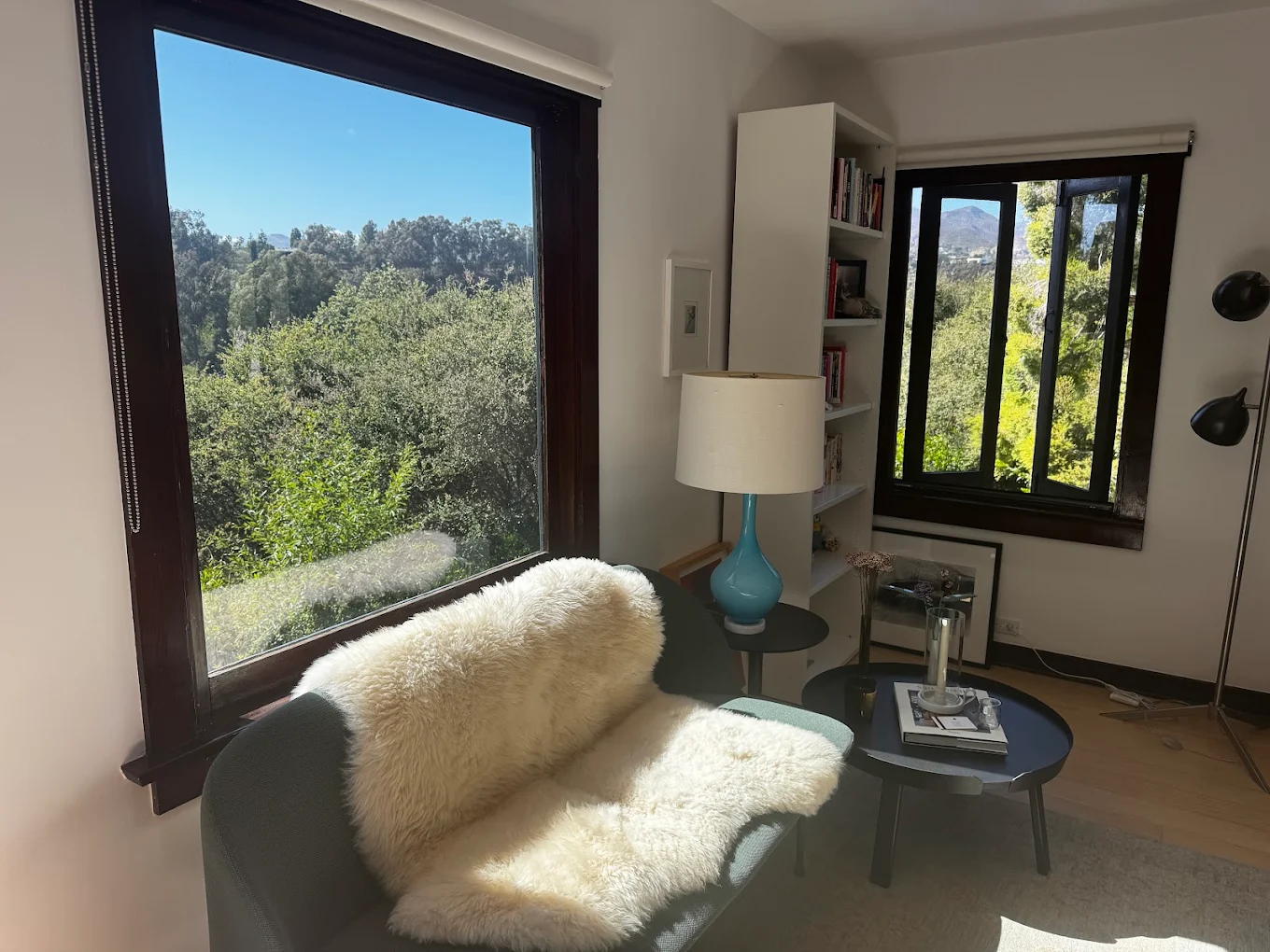
Heat Control Film and the DFW Evening Sun
The worst heat in a DFW house often arrives after work, not at noon. By 5 or 6 p.m. in July the outdoor temperature is still near its peak, the sun has dropped low enough to shine straight through west windows, and it keeps doing so until it sets after 8:30. Overhangs designed to shade high summer sun do nothing against that angle.
That is why we size heat film to the west side first. A room that gets those three hours of direct sun is the one that runs hot into the night, because the floor, furniture and walls have soaked up heat and keep releasing it after dark. Cutting that gain helps bedrooms cool off sooner once the sun is down.
Choosing Heat Control Film for Dual-Pane Windows in DFW
Most newer DFW homes have insulated dual-pane glass with a low-E coating already on one surface. Heat film applied to the inside pane makes that pane absorb more energy and run hotter. On large panes, partly shaded glass or units with tinted outer lites, a very absorptive film makes a stress crack or a failed seal more likely.
We check the glass type, pane size and existing coating before recommending anything, then follow the film maker's compatibility guidance. Sometimes that means choosing a reflective film that rejects heat outward rather than absorbing it, or stepping back to a lighter shade. A slightly smaller heat cut on a window that stays intact is the better result.
What Heat Control Film Does for DFW Homes
Lower Peak Heat in Sun-Facing Dallas-Fort Worth Rooms
Rooms behind treated glass warm more slowly through the afternoon and top out lower. The difference is easiest to feel by standing near the window in late-day sun, where the radiant heat on your skin drops noticeably after the film goes on.
Less AC Strain During Texas Heat Waves
When cooling demand peaks across ERCOT, reducing heat gain through windows means the AC cycles less. That can lower Oncor-delivered usage on hot afternoons, though the dollar effect depends on your plan and your house.
Heat Control Film for Glass You Cannot Cover
Tall transoms, arched windows and clerestories above two-story rooms are hard or impossible to shade with blinds. Film treats them directly, which is often the only practical way to stop that heat in new DFW suburban builds.
Even Upstairs Temperatures in Two-Story DFW Homes
Many two-story North Texas houses run on one thermostat downstairs while the upstairs bakes. Cutting the solar gain on upstairs west and south glass narrows that gap, so the game room and bedrooms stay usable.
Heat Control Window Film Questions in North Texas
How much heat can window film block on a DFW house?
It varies by film and glass. Reflective films reject the most solar energy, and good spectrally selective films reject a solid share while staying light. We show the rated figures for each option on your glass type before you decide.
Does heat control film make rooms darker?
Spectrally selective films change the light level only slightly. Reflective and darker films reduce visible light more. Testing samples on your actual windows in the late afternoon is the best way to judge.
Will heat film make my house colder in a Texas winter?
North Texas winters are short, and the winter sun you give up is a small trade compared with the summer heat you block. Low-E heat films also reduce heat loss through older glass on cold nights.
Can heat control film crack a window?
Thermal stress cracks are uncommon when film is matched to the glass. Risk goes up with dark absorptive films on big insulated units, or where a tree or porch shades only part of the pane. Every install starts with a glass check for that reason.
Which DFW rooms should get heat control film first?
West-facing rooms come first, then large south-facing glass and any upstairs room over a garage. Those are where the AC loses the most ground on summer afternoons.
Heat Control Window Film Service Areas in Dallas-Fort Worth
Window film quote
Heat Control Window Film Quotes for DFW Homes
Which room hits 80 indoors by dinnertime? Start there. Add pane sizes, a photo or two and the direction the glass faces on the quote form, and we will match a heat film to it.
Prefer email? info@windowfilmdfw.pro